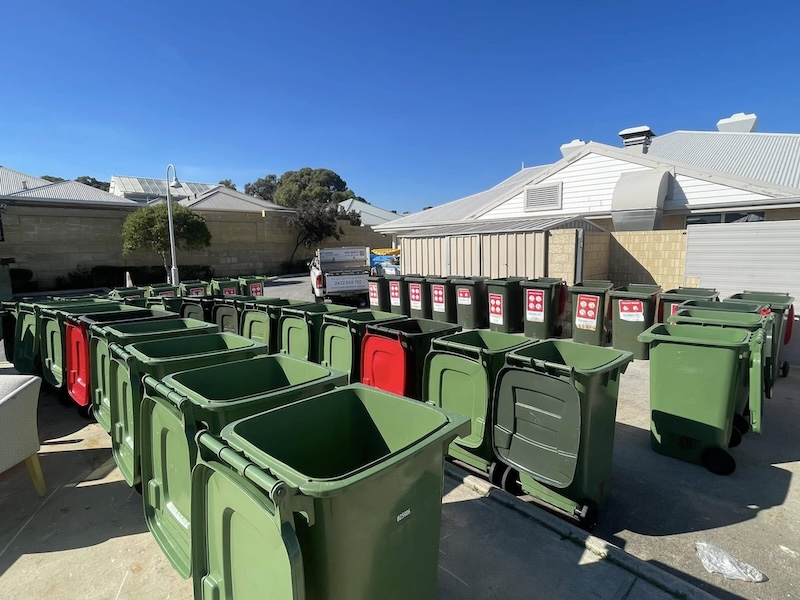
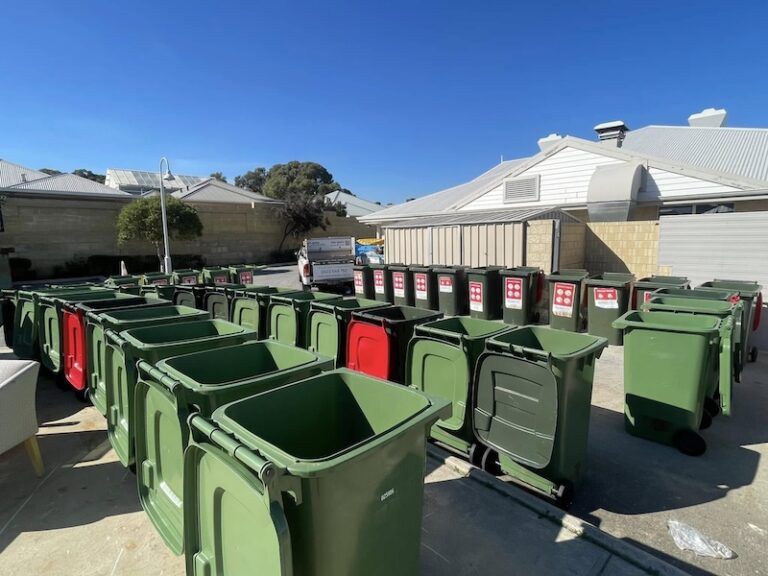
The Importance of Regular Bin Cleaning During Summer
Perth is one of the sunniest cities in the world and while that’s great news for beachgoers and outdoor dining, it’s terrible news for your bins. When temperatures regularly push past 35 degrees and can spike above 44 degrees in the height of summer, what’s sitting in your bins becomes a serious hygiene and health issue. Here’s why Perth’s climate makes professional bin cleaning not just a nice-to-have, but an absolute necessity.
Quick Summary
- Perth summer heat accelerates bacterial growth in bins dramatically
- High temperatures drive pest activity including flies, cockroaches and rodents
- Businesses risk health code violations, pest infestations and reputational damage
- Professional cleaning removes residue, sanitises, deodorises and captures wastewater
- Recommended cleaning frequency increases to weekly or fortnightly during summer months
Heat Is a Bacteria Breeding Ground
Bacteria thrive in warm, moist environments. The inside of a bin sitting in the Perth sun can easily reach temperatures far exceeding the ambient air temperature, we’re talking 50 degrees or more on a 40-degree day. At these temperatures, common bacteria like E. coli, Salmonella, and Listeria can multiply at alarming rates, turning even a recently emptied bin into a serious health hazard within hours.
For businesses that handle food waste, such as schools, cafes, supermarkets and aged care facilities, this is a significant risk. Staff handling bins can unknowingly transfer pathogens to food preparation areas. Regular professional cleaning and sanitising disrupts this cycle before it becomes a problem.
Did you know? A bin that smells bad isn’t just unpleasant. It’s a sign of active bacterial growth. In Perth summers, the smell can develop within 24 to 48 hours of a standard waste collection.
Perth’s Summer Creates a Perfect Storm for Pests
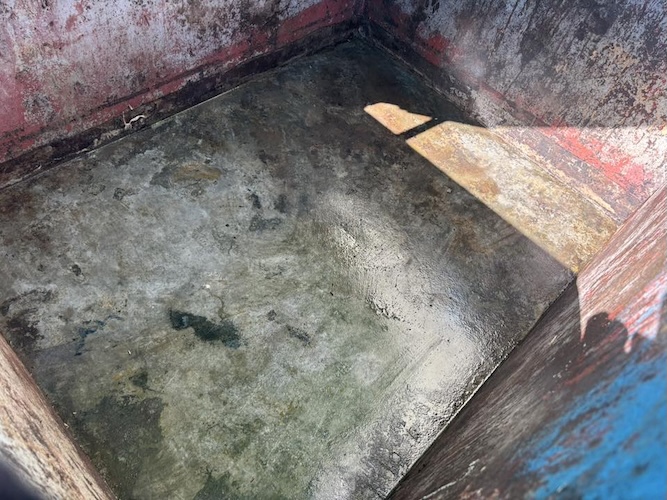
High temperatures don’t just accelerate bacterial growth. They also drive pest activity. Perth summers are prime time for flies, cockroaches, and rodents, all of which are attracted to food waste residue left in the bottom and walls of bins. Once pests establish themselves around your bins, the problem spreads quickly.
- Blowflies can lay eggs in residue and maggots appear within 24 hours in summer heat
- German cockroaches thrive above 30 degrees and treat dirty bins as a food and nesting source
- Rodents following food smells from bins can breach buildings and storerooms
- Pest infestations can trigger council complaints, failed health inspections, and reputational damage
A professionally cleaned and deodorised bin removes the food residue and odours that attract pests in the first place. It’s one of the most cost-effective forms of pest prevention available.
5 Reasons Perth Businesses Can’t Ignore Summer Bin Cleaning
1. Health and Safety Compliance
WA health regulations require businesses to maintain adequate hygiene standards. During summer, the speed at which conditions deteriorate means that a bin cleaned last month may not meet today’s standard. Regular cleaning keeps you compliant and your staff safe.
2. Protect Your Business Reputation
Customers and clients notice smells. A foul bin odour drifting through a car park, loading dock, or reception area creates an immediate negative impression and one that’s hard to shake. In Perth’s retail, hospitality, and healthcare sectors, first impressions are everything.
3. Staff Wellbeing and Morale
Employees who work near waste areas, such as kitchen staff, cleaners and delivery workers, shouldn’t have to deal with repulsive bin conditions as part of their job. A clean bin environment is a simple but meaningful investment in workplace dignity.
4. Prevent Cross-Contamination
In food-handling businesses, bacteria from contaminated bin areas can spread to food prep zones via hands, equipment, or pests. Professional bin cleaning eliminates the source, protecting both your customers and your business from foodborne illness incidents.
5. Longer Bin Lifespan
Perth’s UV intensity and heat accelerate the degradation of plastic bins, especially when combined with the acids and chemicals present in decomposing waste. Regular cleaning and deodorising slows this process, protecting your investment in bin infrastructure.
How Often Should Perth Businesses Clean Their Bins in Summer?
The right frequency depends on your business type, waste volume, and bin location. As a general guide:
- Restaurants, cafes and food businesses: Weekly or fortnightly, especially November through March
- Supermarkets and grocers: Weekly, as high food waste volumes mean faster bacterial build-up
- Offices and commercial premises: Monthly is usually sufficient unless bins are in direct sun
- Healthcare and aged care: Fortnightly minimum, as vulnerable occupants increase the stakes significantly
- Strata and residential complexes: Monthly, with additional cleans after large building events or holiday periods
Perth-specific tip: Bins stored in direct afternoon sun on the western side of buildings heat up fastest. If your bins face west, consider increasing your cleaning frequency by one interval during December through February.
What Does a Professional Bin Clean Actually Do?
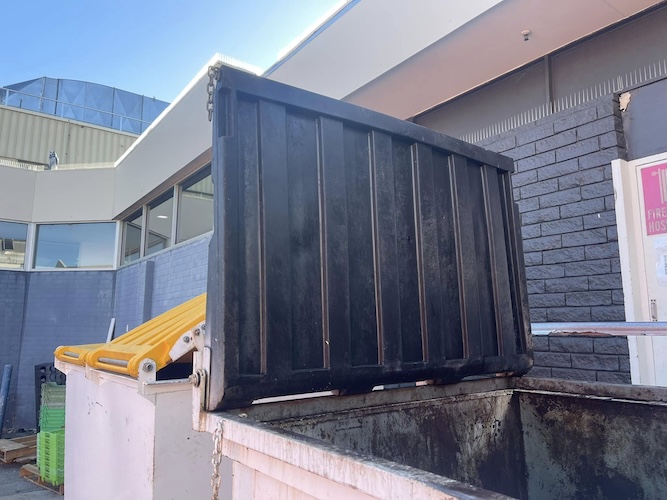
It’s more than just a hose-down. At Super Clean Bins, our process is designed specifically for Perth’s conditions:
- High-pressure hot water wash removes all residue from the bin walls, base, and lid
- Biodegradable, non-toxic disinfectant eliminates 99.9% of bacteria and viruses
- Eco-friendly deodoriser neutralises odour at the source, not just masking it
- Grey water from the clean is captured and disposed of responsibly, not left on-site
- Bins are inspected for damage and reported back to you
The whole process takes just a few minutes per bin, can be done on your regular bin collection day, and creates zero disruption to your business operations. View our services.
Ready to Keep Your Bins Fresh All Summer?
Get a free, no-obligation quote for your Perth business or property. Our team is local, reliable, and built for the West Australian climate. Get in touch today!